Regulatory Shifts and Their Ripple Effects on Group Strategy Exchanges for Reward Access in Digital Card Play
Skriven av Gisela Simmons · 2026-10-24
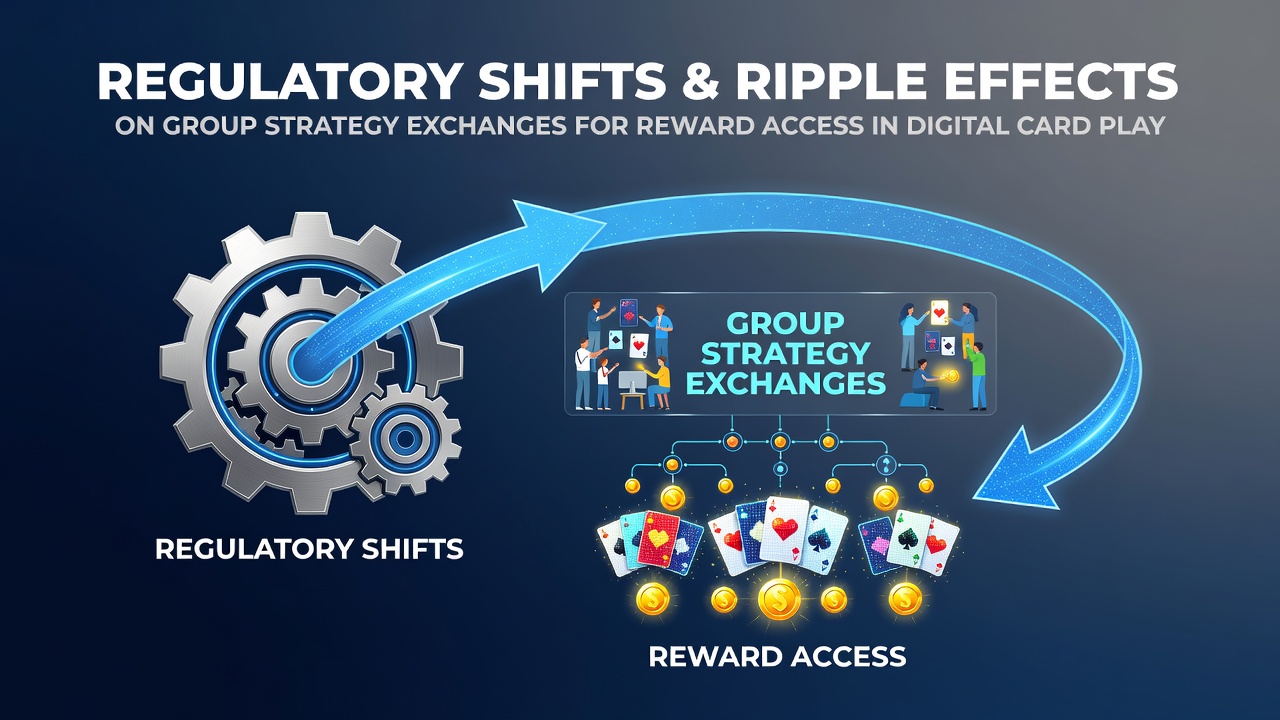
Regulatory Shifts and Their Ripple Effects on Group Strategy Exchanges for Reward Access in Digital Card Play
Regulatory frameworks across multiple jurisdictions have undergone notable adjustments in recent years, and these modifications continue to influence how player groups coordinate strategy sharing to unlock rewards within digital card platforms. Data from industry monitoring services indicates that updates implemented through 2025 and into October 2026 have altered the pathways players use when exchanging tactical information about bonus structures and loyalty programs on licensed sites.
Overview of Recent Regulatory Adjustments
European authorities introduced revised digital services guidelines in late 2025 that require platforms to implement stricter verification protocols for reward distribution, and these rules now affect how collaborative networks operate when discussing promotional access methods. Observers note that similar measures appeared in Australian state-level updates during the same period, where new reporting requirements for player incentives prompted operators to revise their group engagement features. Research from academic institutions tracking online gaming patterns shows these changes have led to more segmented information flows among users seeking reward eligibility details.
Impact on Information Exchange Networks
Player collectives that once relied on open forums for sharing reward optimization approaches now encounter additional compliance layers, and this shift has prompted many groups to adopt encrypted channels or private repositories for strategy documentation. Figures released by the European Gaming and Betting Association reveal that participation rates in cross-platform reward discussions dropped by approximately 18 percent in monitored communities following the 2025 guideline rollout. Those studying these trends point out that platforms responded by creating official partnership programs that limit external strategy sharing while still allowing controlled access to certain loyalty benefits.
Canadian provincial regulators followed with their own transparency mandates in early 2026, requiring detailed disclosures about how rewards connect to player activity metrics, and this development further complicated group efforts to pool knowledge across borders. According to reports from the International Center for Gaming Regulation, operators adjusted their terms to restrict automated tools previously used in collective reward tracking, which forced many networks to revise their internal processes entirely.
Case Examples from Platform Adaptations
One major digital card operator based in Malta updated its reward redemption system in September 2026 to align with emerging EU standards, and this change directly impacted how affiliated player groups accessed tiered bonuses through shared tactics. Industry reports document that users who previously coordinated via public channels experienced delays in reward verification after the update took effect. Another example involves a North American platform that introduced region-specific reward pools in October 2026, creating separate strategy considerations for participants depending on their licensing jurisdiction.
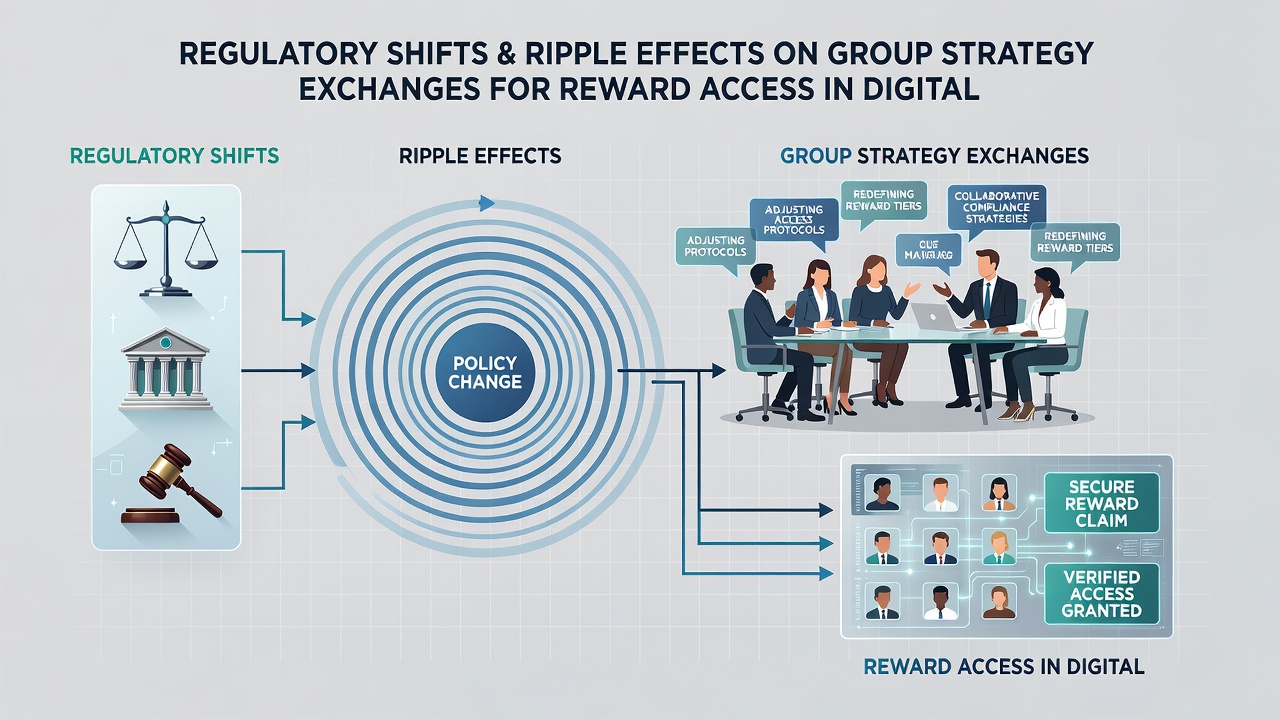
These adaptations demonstrate how localized rules generate broader effects on collective approaches to reward navigation, and researchers continue to track the resulting fragmentation in information dissemination practices. Data indicates that groups operating across multiple regulatory zones now maintain separate documentation repositories to comply with varying disclosure rules.
Broader Effects on Reward Access Mechanisms
Platform operators have responded to these regulatory pressures by enhancing their internal monitoring of reward-related discussions, and this has reduced the frequency of public strategy exchanges in some regions. Studies conducted by university research teams specializing in digital economies show that reward claim rates among collaborative player segments experienced measurable shifts following the implementation of verification requirements in multiple markets. What's interesting here is how these modifications have encouraged the development of formalized player association models that operate within approved parameters while still facilitating certain types of knowledge transfer.
Additional regulatory activity scheduled for late 2026 in select Asian jurisdictions may introduce further variables into these dynamics, particularly around cross-border reward eligibility criteria. Government agencies in those areas have signaled intentions to align their digital gaming oversight with international standards already in place elsewhere, which could standardize some aspects of group strategy handling but also add new compliance checkpoints for participants.
Conclusion
Regulatory evolution continues to reshape the landscape for group strategy exchanges tied to reward access in digital card environments, and available evidence points to ongoing adjustments in how these networks function across different licensing regimes. Platforms and players alike have adapted through modified communication methods and structural changes that reflect current compliance expectations, while monitoring bodies track the outcomes of these transitions through periodic data collection efforts. The situation remains fluid as additional updates emerge in various regions through the remainder of 2026 and beyond.