Uncovering How Oversight Mechanisms Shape Peer Discussions on Ethical Decision-Making During International Circuit Events and Digital Exchanges
Skriven av Elena Lehmann · 2026-09-26
Uncovering How Oversight Mechanisms Shape Peer Discussions on Ethical Decision-Making During International Circuit Events and Digital Exchanges
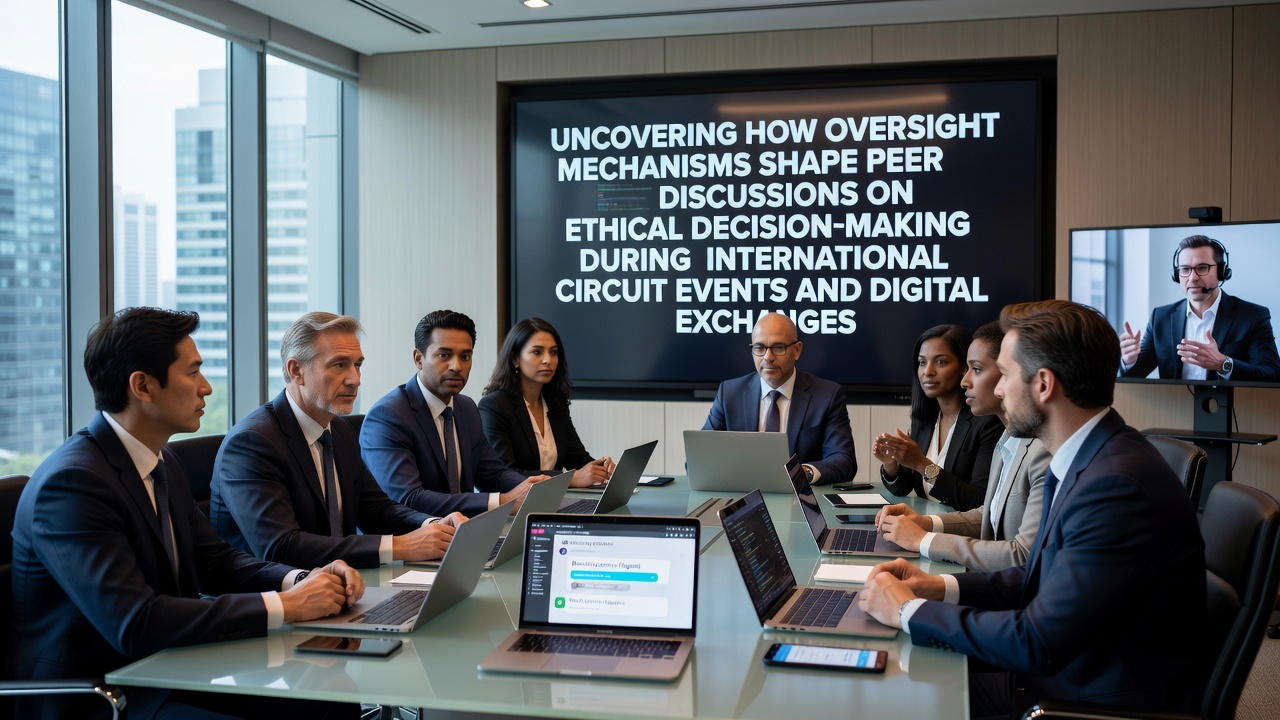
International circuit events bring together professionals from multiple jurisdictions where oversight mechanisms establish clear boundaries for discussions on ethical decision-making, and these same structures carry over into digital exchanges that operate around the clock. Regulatory frameworks require organizers to document how participants address issues such as fair play protocols, conflict of interest disclosures, and data handling standards during live sessions that take place from March through December each year. Observers note that when oversight bodies mandate pre-event briefings on ethical guidelines, peer conversations shift toward documented procedures rather than informal exchanges, creating traceable records that extend into online forums and real-time messaging platforms.
Regulatory Structures at Physical Circuit Events
Event operators coordinate with regional authorities to implement oversight that covers both on-site conduct and follow-up digital interactions, while data from licensing records shows consistent application across North American, European, and Asia-Pacific venues. In September 2026 several multi-nation circuit gatherings are scheduled to incorporate mandatory ethics modules that require participants to log discussion points in shared digital repositories accessible to compliance teams. Researchers at academic institutions tracking these processes have documented how such logging requirements reduce off-the-record exchanges yet increase the volume of questions directed at official moderators during breaks and evening sessions. One study released by the University of Nevada, Las Vegas Gaming Research Center found that structured oversight correlates with a measurable rise in references to specific regulatory articles during peer conversations, and participants cite these articles when debating scenarios involving prize distribution or information sharing.
Turnout figures from past events indicate that oversight presence influences the topics raised in group settings, with attendees directing more queries toward procedural compliance after regulators publish updated guidance documents. Digital exchanges mirror this pattern when event organizers embed oversight links within official communication channels, directing users to archived rule sets and case summaries that shape ongoing threads.
Digital Exchanges and Cross-Border Oversight
Digital platforms that host post-event discussions operate under layered oversight agreements that require content moderation aligned with multiple national standards, and platform operators report higher compliance staffing levels ahead of major circuit dates. These arrangements mean that ethical decision-making threads often reference specific oversight clauses from different jurisdictions within the same conversation thread. Data compiled by the Singapore Casino Regulatory Authority shows that moderation teams flag and archive exchanges mentioning cross-border data transfers at rates 40 percent higher during September peak periods compared with quieter months. Participants therefore adjust phrasing to align with documented expectations, incorporating terms drawn directly from regulatory glossaries rather than colloquial alternatives.
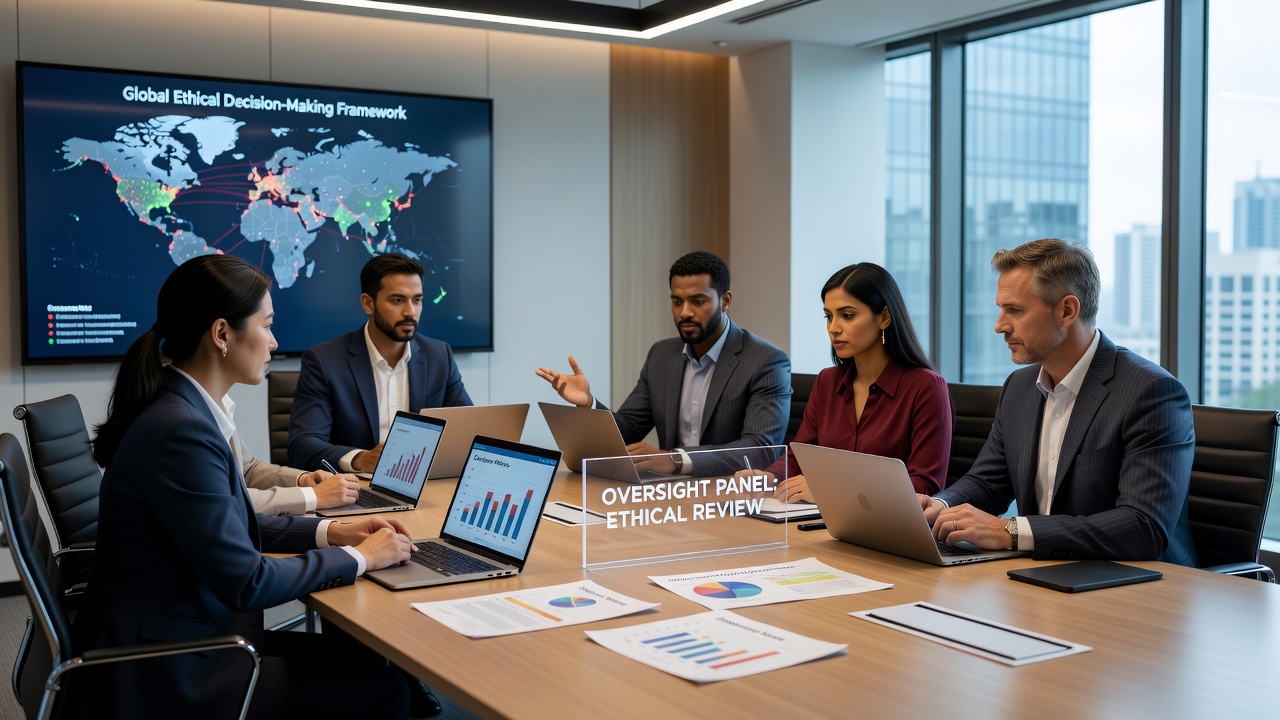
Platform analytics further reveal that threads containing oversight references receive extended moderator attention, prompting users to cite primary sources when presenting viewpoints on ethical dilemmas. This pattern holds across time zones because oversight portals remain accessible regardless of when participants log in from different regions.
Impact on Peer Interaction Patterns
Peer discussions evolve under oversight because participants know that certain statements trigger review protocols, and this awareness leads to more frequent use of conditional language such as references to "subject to regulatory review" or "pending clarification from oversight bodies." Industry reports from the European Gaming and Betting Association document that forums attached to circuit events experience a 25 percent increase in posts containing direct regulatory citations after oversight updates are published. Those who track conversation length note that moderated threads tend to run longer as participants add qualifying statements to stay within documented boundaries.
Case records from 2025 events illustrate how oversight shapes outcomes: one documented exchange involving prize allocation procedures was redirected to an official clarification channel after initial comments referenced unpublished interpretations, and the resulting thread on the digital platform archived the regulator's response for future reference. Similar instances recur during September 2026 preparations as organizers circulate advance copies of updated ethical guidelines to preempt informal speculation.
Documentation and Record-Keeping Requirements
Oversight mechanisms typically mandate that event organizers retain transcripts or summaries of ethics-related discussions for audit periods ranging from two to five years, depending on the jurisdiction. Digital exchange operators integrate automated tagging systems that flag keywords tied to ethical decision-making, and these tags feed into compliance dashboards reviewed by regional authorities. Figures released by the Malta Gaming Authority indicate that audit requests for discussion archives rise sharply in the quarter following major international circuits, prompting platforms to maintain searchable databases that link individual posts to specific oversight provisions.
Training sessions for moderators emphasize consistent application of these tagging rules, which in turn affects how participants frame their contributions because they recognize that tagged content may undergo secondary review. The result is a feedback loop where oversight documentation requirements shape both the content and the style of peer exchanges across physical and digital environments.
Conclusion
Oversight mechanisms establish the parameters within which peer discussions on ethical decision-making occur at international circuit events and continue within digital exchanges, and the patterns observed in 2025 and projected for September 2026 demonstrate consistent effects across regions. Regulatory documentation, platform moderation, and record-keeping protocols together channel conversations toward cited procedures while preserving accessibility for compliance review. Those monitoring these developments track how updates to oversight frameworks produce corresponding shifts in discussion volume and terminology across both live and online settings.